
Blogs
Preparing for Ramadan: Fasting Tips and Significance
August 5, 2026
Preparing for Ramadan: Fasting Tips and Significance
Every year, millions of Pakistanis wake up before dawn, eat a quiet meal in the dark, and go without food or water until sunset. They do this for a full month. For many, it feels routine. For first-timers or those returning after years away, it can feel daunting. Ramadan is not just a test of willpower. It is a month built around discipline, reflection, and care for others. Here is what you need to know before the fasts begin.
When Is Ramadan 2026 in Pakistan?

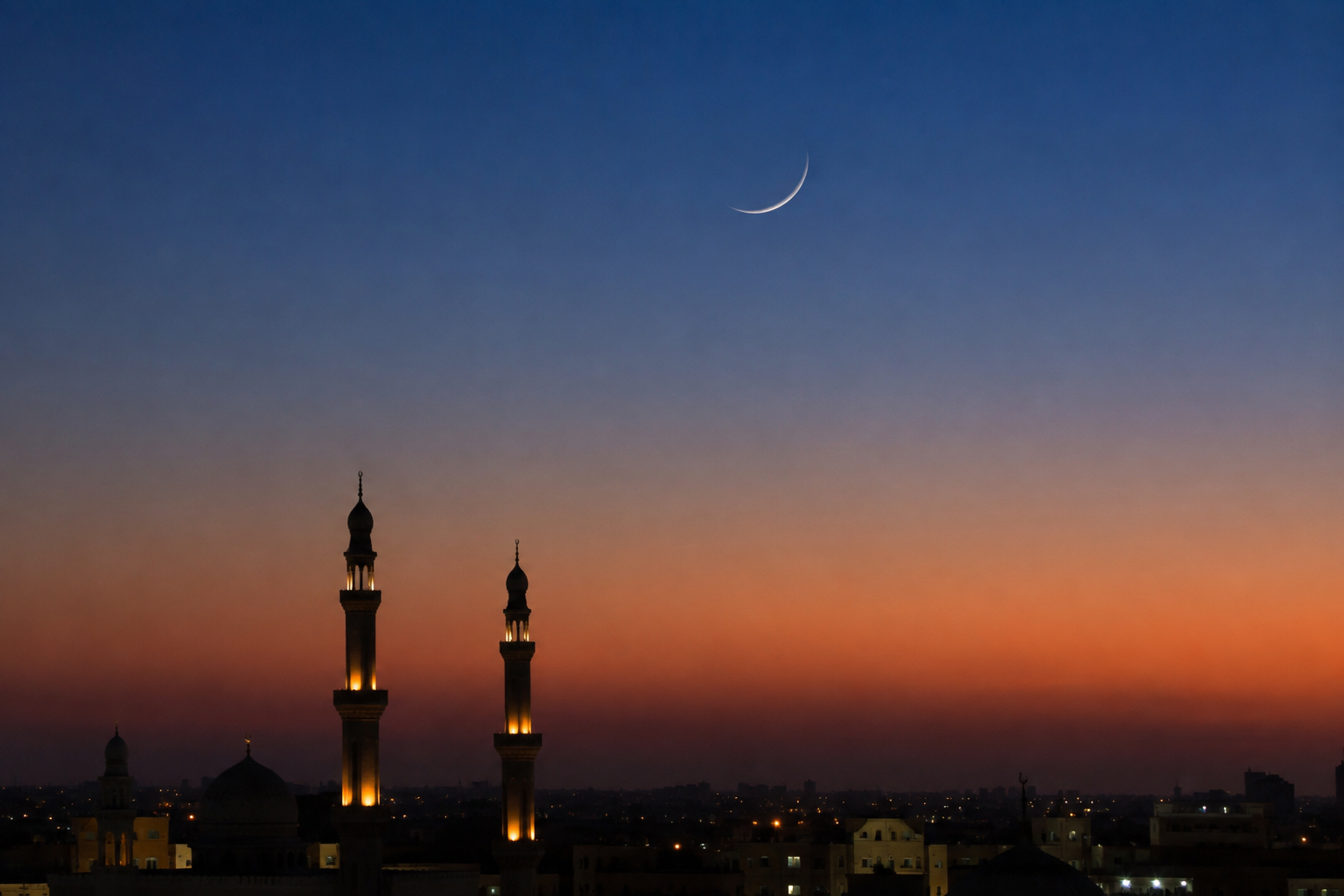
Ramadan follows the lunar calendar, so the start date shifts by about ten days each year. Forecasts from the Pakistan Meteorological Department point to the crescent moon appearing on the evening of February 18, 2026. Based on this, the first fast in Pakistan is expected on February 19, 2026, with Eid ul Fitr likely falling around March 21, 2026, after 29 or 30 days of fasting.
The final decision rests with the Central Ruet e Hilal Committee, which meets on the 29th of Sha'ban to confirm the sighting. Announcements are broadcast on major TV channels once the moon is confirmed.
This year brings a welcome change. Since Ramadan falls in February and March, fasting hours stay short. Fasts will run close to 12 hours at the start of the month and stretch to about 13 hours by the end, a far cry from the 16 to 17 hour fasts of recent summer Ramadans.
Note: All dates are estimates. Always confirm the official start with your local mosque or the Ruet e Hilal Committee announcement, since moon sighting can shift the calendar by a day.
What Is Ramadan and Why Does It Matter?
Ramadan is the ninth month of the Islamic calendar and one of the Five Pillars of Islam. Fasting during this month, known as Sawm, is obligatory for every adult Muslim who is physically able. The Quran describes fasting as a way to build taqwa, or God-consciousness, through self-restraint and empathy for those who go hungry by circumstance rather than choice.
Beyond the physical fast, Ramadan reshapes daily life. Mosques fill up for Taraweeh, special night prayers held only during this month. Charity increases, with families and roadside volunteers setting up free iftar stalls for commuters and workers heading home at sunset. Many Pakistanis also use the month to catch up on Quran recitation, aiming to complete a full reading before Eid.
Fasting Rules in Islam
The basic rule is simple. From dawn (Fajr) until sunset (Maghrib), fasting Muslims abstain from food, drink, smoking, and marital relations. The fast also calls for guarding the tongue and temper, since anger, gossip, and lying are said to undo the spiritual value of the fast even if the body stays hungry.
Who is required to fast:
- Adult Muslims who are sane and physically able
Who is exempted, with conditions:
- Children who have not reached puberty
- The elderly and chronically ill, who may feed a poor person instead (fidya)
- Travelers on a long journey, who make up missed days later
- Menstruating or postpartum women, who make up missed days later
- Pregnant or breastfeeding women, based on health and scholarly guidance
- Those who are acutely ill, who fast again once recovered
What breaks the fast:
- Eating or drinking, even accidentally in some rulings requires care
- Smoking
- Intentional vomiting
- Marital relations during fasting hours
Scholars generally agree that a fast broken by genuine forgetfulness still counts, since intent matters in Islamic rulings. If you are unsure about a specific situation, such as taking medication or getting a blood test, ask a local scholar for guidance suited to your case.