Blogs
The Power of Dua: Importance, Benefits & Spiritual Strength
September 9, 2026
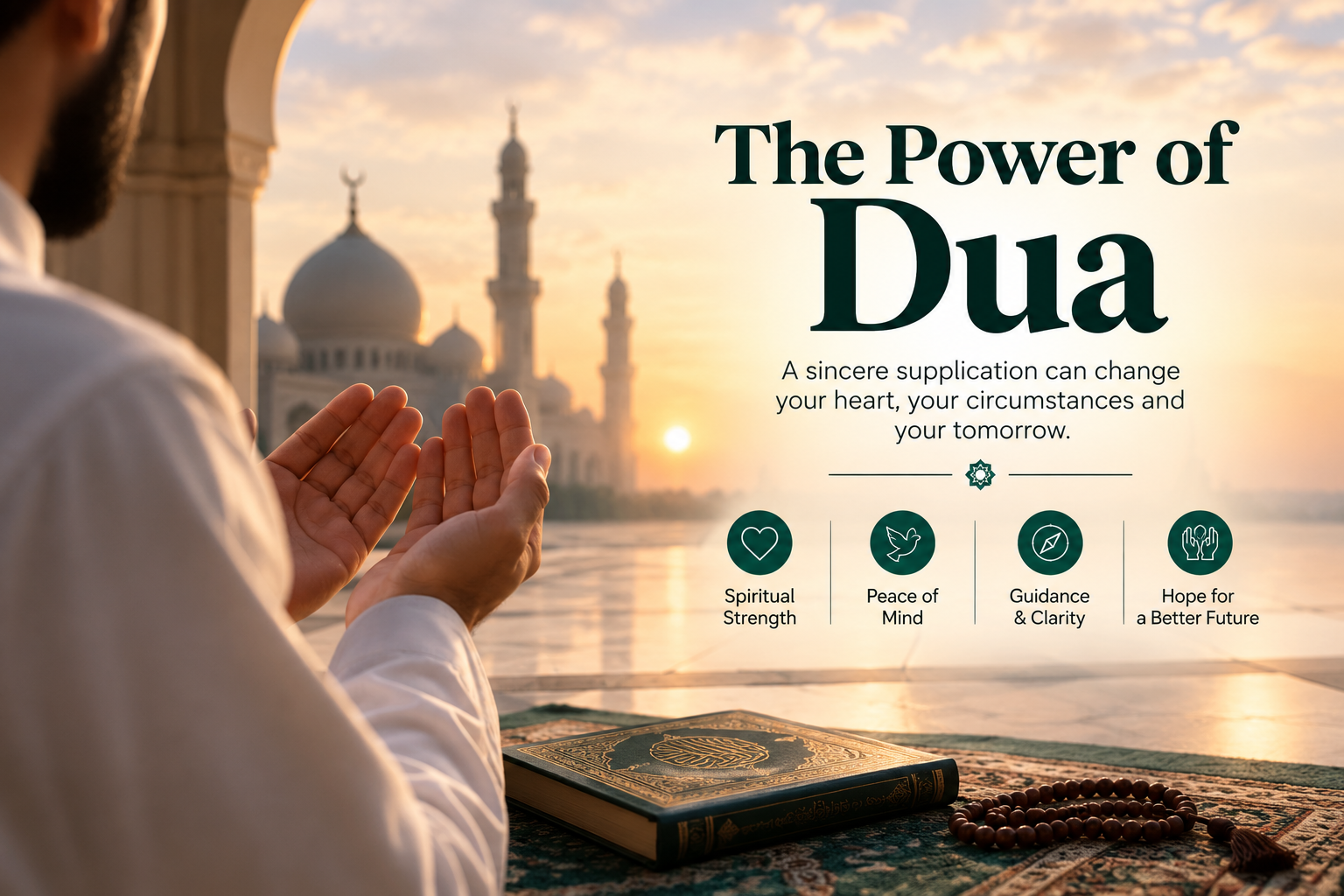
What is Dua?
Dua (supplication) is the act of calling upon Allah with humility, need, and hope. It is the essence of worship itself. The Prophet Muhammad (peace be upon him) said:
اَلدُّعَاءُ هُوَ الْعِبَادَةُ
"Dua is the essence of worship." (Tirmidhi)
Unlike prayer (Salah) which has fixed times and a set form, dua can be made at any time, in any place, and in any language. It is a direct line of communication between the servant and their Creator — no intermediary, no barrier.
Why Dua Matters in a Muslim's Life
Allah has promised to respond to the one who calls upon Him. He says in the Quran:
"Call upon Me; I will respond to you." (Quran 40:60)
This is not just a promise — it is an invitation. Dua is how we:
- Express our complete reliance on Allah (Tawakkul).
- Release our worries and anxieties.
- Seek guidance, forgiveness, and provision.
- Build intimacy with our Creator, especially in times of hardship.
Even when the answer is delayed, the act of dua itself is a form of worship that brings reward. The Prophet (peace be upon him) said that a Muslim's dua is never wasted — either it is answered, or it becomes a means of removing harm, or it is stored for the Hereafter.
The Etiquette (Adab) of Making Dua
To make our dua more likely to be accepted, we should follow the manners taught by the Prophet (peace be upon him):
- Begin with praise: Start by praising Allah and sending blessings upon the Prophet Muhammad (peace be upon him).
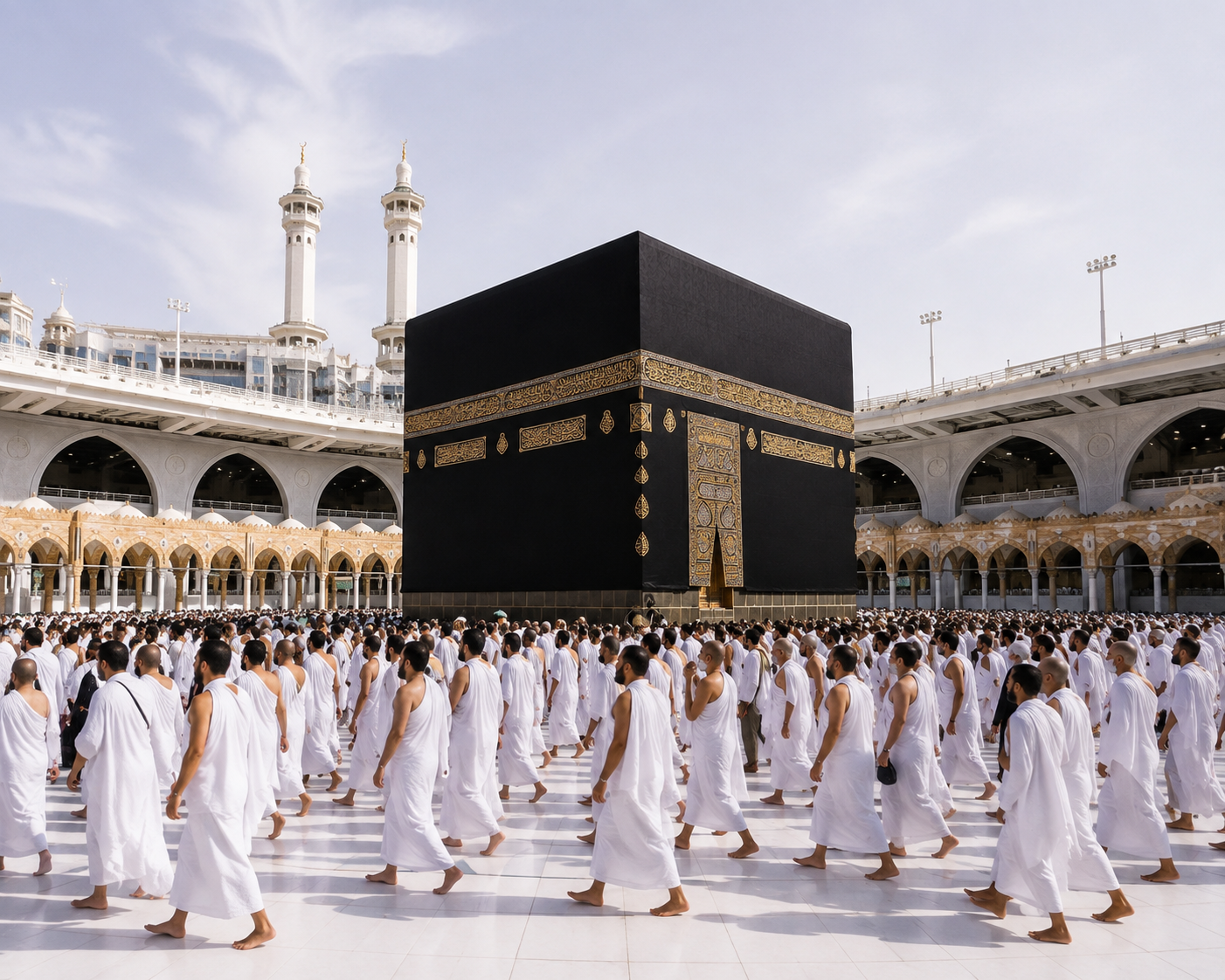
- Face the Qibla: Whenever possible, face the Kaaba while making dua.
- Raise your hands: Raising the hands is a Sunnah that shows humility and openness.
- Be sincere (Ikhlas): Make dua from the heart, with full certainty that Allah can answer.
- Use Allah's beautiful names: Calling upon Allah by names such as Al-Rahman (The Merciful), Al-Samad (The Self-Sufficient), and Al-Mujeeb (The Responder).
- Persist patiently: Repeat the dua with persistence and do not be hasty in expecting a quick answer.
The Best Times for Dua
While dua can be made at any time, certain moments are especially blessed for acceptance:
- The last third of the night (Tahajjud): When Allah descends and asks, "Who is calling upon Me so I may respond to him?"
- Between Adhan and Iqamah: A time when supplications are not rejected.
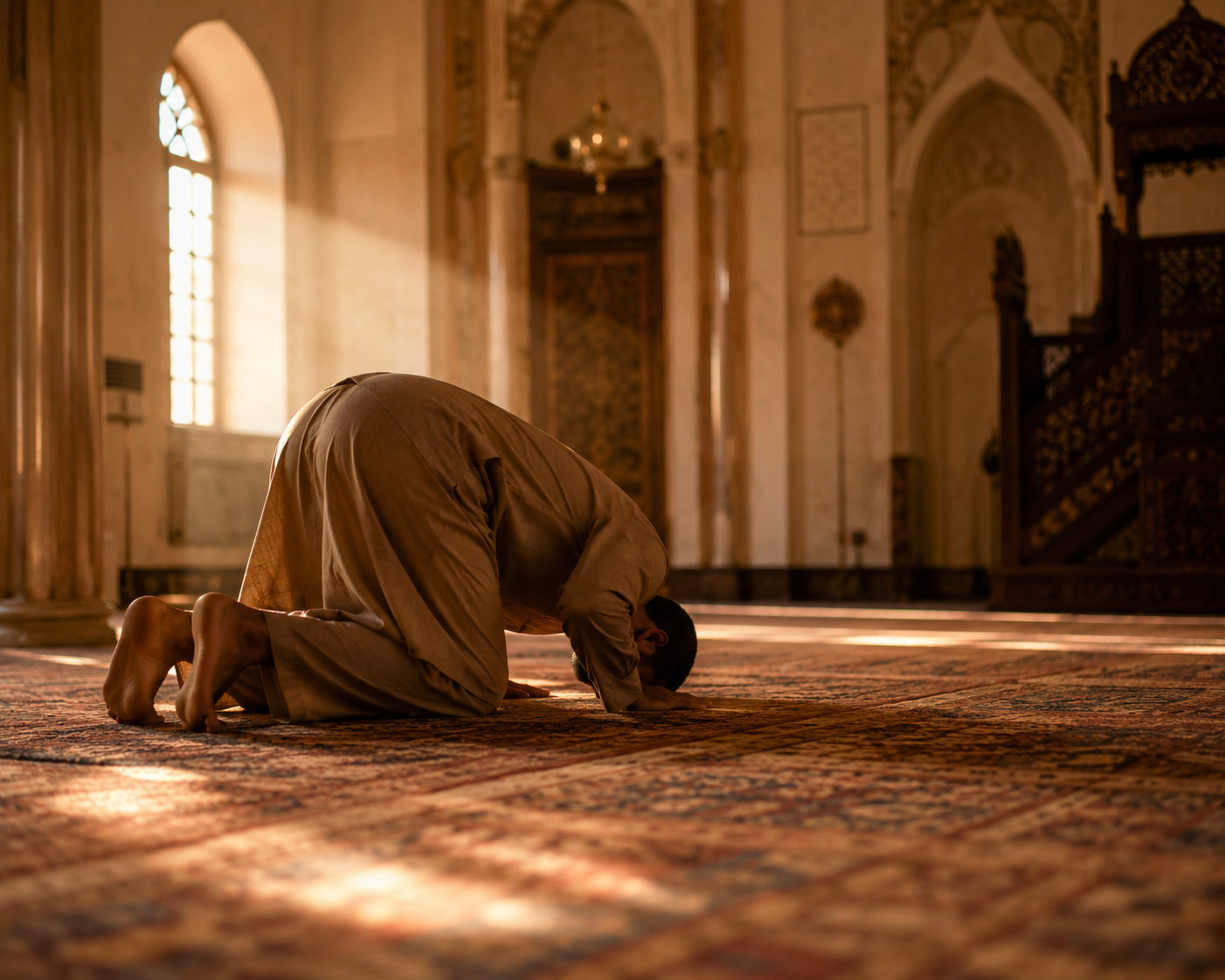
- During prostration (Sajdah): The closest a servant is to Allah is while prostrating.
- After obligatory prayers: A blessed moment to make dhikr and dua.
- On Fridays: The Prophet (peace be upon him) mentioned an hour on Friday when supplication is answered.
- In the final hour of the Day of Arafah: During the Hajj season.
- During Ramadan: Especially in the last ten nights and on Laylat al-Qadr.
Common Mistakes to Avoid
- Being hasty: Saying "I prayed but nothing happened." Allah answers in His own time and wisdom.
- Asking for sin or cutting ties: Dua that involves harm to others is not accepted.
- Being heedless: Making dua without focus or meaning.
- Relying on dua alone: We must combine dua with effort, action, and trust in Allah.
- Ignoring halal earnings: A person whose food and income are from haram sources may find their dua blocked.
Remember: The answer to dua comes in three forms — either Allah grants what you asked, or He prevents a hardship equal to it, or He saves it for you in the Hereafter. So never underestimate the power of even a small, sincere dua.
Practical Tips to Strengthen Your Dua
- Dua for others: The Prophet (peace be upon him) said the dua of a Muslim for their brother or sister, made in their absence, is answered.
- Dua in hardship first: Call upon Allah in times of ease so He knows you in times of difficulty.
- End with Ameen: Making dua end with Ameen brings extra barakah.
- Write a personal list: Keep a dua journal of your requests and note when they are answered.
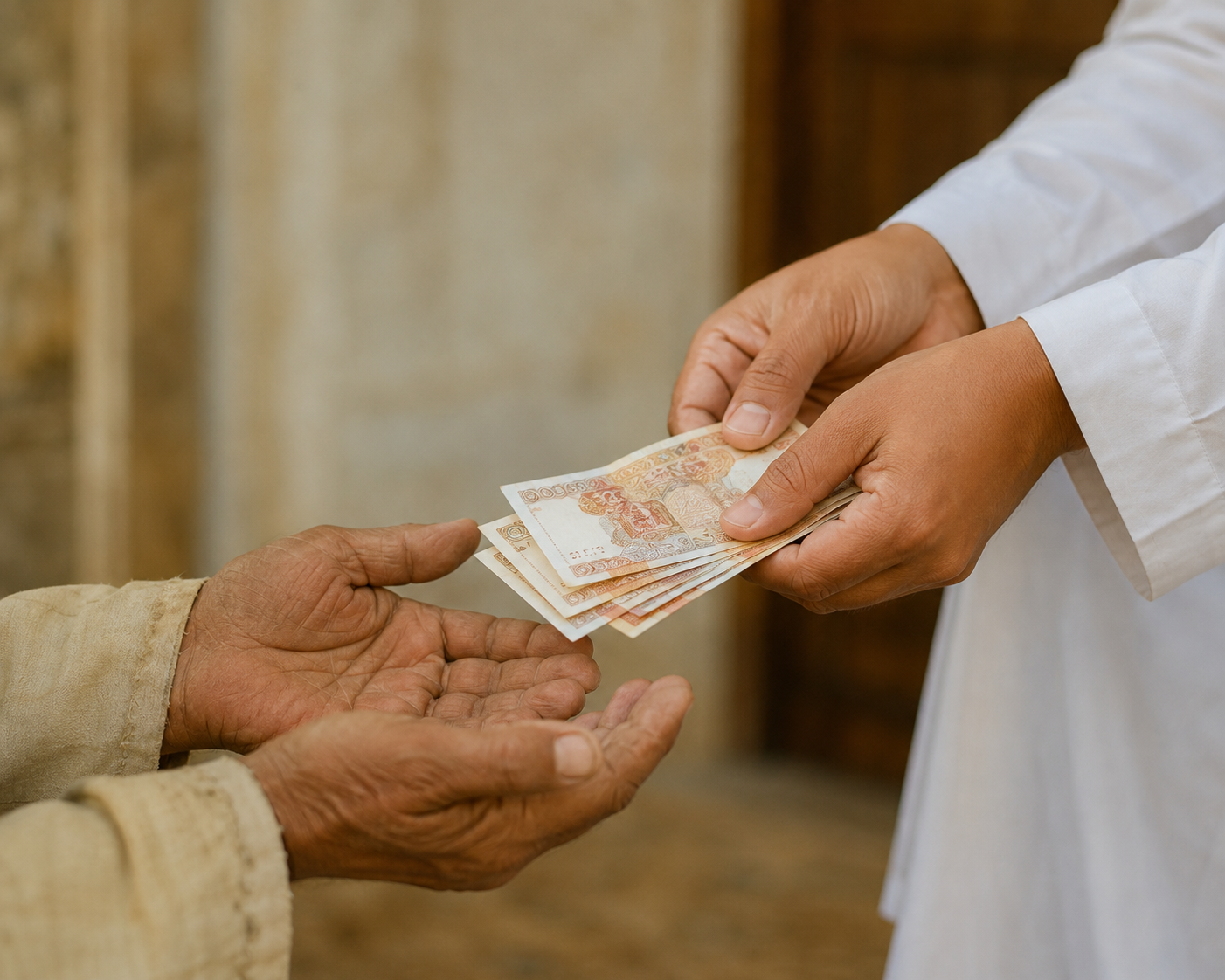
- Do good deeds alongside dua: Charity, prayer, and kindness open the doors of acceptance.
Conclusion
Dua is one of the greatest gifts Allah has given to humanity. It is not reserved for the scholars or the pious alone — it is for every servant who turns to their Lord with an open heart. No matter how far we have fallen, the door of dua is always open.
Allah says in a sacred hadith: "I am as My servant thinks of Me, and I am with him when he calls upon Me." (Bukhari & Muslim)
So whenever life feels heavy, remember: you are never alone. Raise your hands, open your heart, and call upon the One who hears the whisper of every soul.