
Blogs
Zakat Explained: How to Calculate and Give Zakat
August 6, 2026
Zakat Explained: How to Calculate and Give Zakat
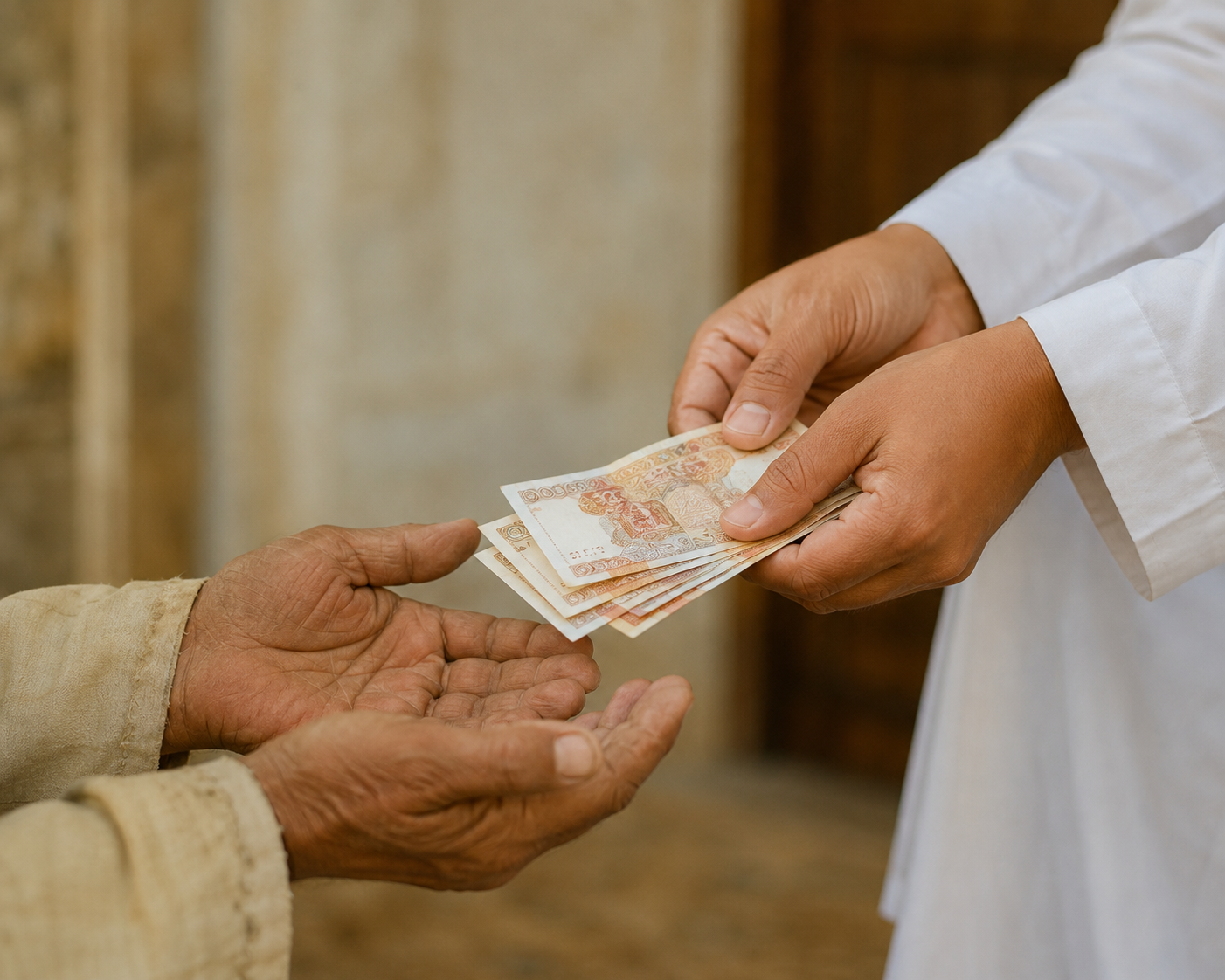
A shopkeeper in Faisalabad closes his ledger every Ramadan and does the same calculation his father did before him. He adds up his savings, checks the current gold price, and works out 2.5 percent. It takes him twenty minutes. Those twenty minutes fulfill one of the Five Pillars of Islam and, for the person who receives it, can mean the difference between a hard month and a manageable one. This is Zakat, obligatory charity, and here is exactly how to calculate and give it correctly.
What Is Zakat?

Zakat is a fixed portion of a Muslim's surplus wealth given to those in need, once a year, once wealth crosses a set threshold. It is not a voluntary donation. For every sane, adult Muslim who owns qualifying wealth above the threshold, Zakat is an obligation, not a suggestion.
The word itself means purification and growth. Islamic teaching holds that wealth is purified by giving a share of it away, and that what remains continues to grow in blessing even though the number on paper goes down. Zakat is distinct from Sadaqah, voluntary charity, which can be given in any amount, at any time, to anyone.
Feature: Obligation
Zakat: Mandatory for eligible Muslims
Sadaqah: Voluntary
Feature: Amount
Zakat: Fixed at 2.5% of qualifying wealth
Sadaqah: Any amount
Feature: Timing
Zakat: Once every lunar year, after nisab is met
Sadaqah: Anytime
Feature: Recipients
Zakat: Limited to 8 categories defined in the Quran
Sadaqah: Anyone in need
Feature: Intent
Zakat: Required act of worship
Sadaqah: Optional act of kindness
Both matter in Islamic life, but only Zakat carries the weight of a pillar. Skipping it while able to pay is treated as a serious matter, while Sadaqah is encouraged but never required.
Who Is Required to Pay Zakat?
Zakat becomes obligatory when three conditions are met:
- You are a sane, adult Muslim
- Your qualifying wealth exceeds the nisab threshold
- You have held that wealth for one full lunar year (hawl)
If your wealth was above nisab a year ago and remains there today, Zakat is due on the full amount, not just what you have left after spending. If your wealth dropped below nisab at some point during the year, the one-year clock resets from the date it rises above nisab again.